
Creating a Storytelling Circle Around the Fire
When the Woodland Wakes
By late March the woods carry a particular smell: damp earth, rising sap, and the first green haze along the hedge bank. The hazel catkins have opened, blackthorn is frothing white in the lanes, and the ground is finally warm enough to work. This is the season for early foraging and small fires — two old skills that belong together in the British calendar.
Long before anyone wrote down a recipe, people were gathering the first green growth of the year and cooking it over embers. The tradition is not about survivalism or expensive kit. It is about paying attention: knowing which leaves are ready, which twigs will catch, and which stories are worth telling once the light fades.
Early Greens Worth Knowing
Spring foraging is at its best when you keep it simple. Four plants will see you through most of April and May:
- Wild garlic (ramsons). Look for carpeted, garlic-scented leaves in damp, shaded woodland and along stream banks from March. Pick a few leaves from each clump rather than stripping a patch. The white star flowers are edible too.
- Stinging nettles. Take only the top two or three pairs of leaves from young plants, before the seeds form. Wear gloves, and blanch them briefly to lose the sting.
- Common sorrel. Sharp, lemony, and wonderful with fish or folded into a soup. The arrow-shaped leaves are easy to identify in rough grassland.
- Hawthorn. The young leaves of spring are known in some counties as "bread and cheese" and were traditionally eaten straight from the hedge on May Day walks.
Blanch nettles, chop wild garlic into butter, and keep sorrel raw. None of these need much; a little salt, a little butter, and a hot pan is enough.
Gathering With Care and a Nod to Custom
Take only what you need, and never more than a third of any patch. Leave the roots alone, avoid busy dog-walking paths, and be certain of your identification before anything goes in the basket. If in doubt, leave it growing.
Older foragers often leave a small offering at the first picking — a pinch of salt, a few grains of barley, or simply a few kind words to the plant. It is a habit that keeps you thoughtful about what you are taking, and it echoes the old belief that the hedgerow belongs to something other than us.
Carry your greens in a woven basket or a cloth bag rather than a sealed plastic tub; they bruise less and breathe better on the walk home.
Lighting a Small Fire With Dry Twigs
A fire for cooking greens does not need to be large. The traditional size is roughly the span of your hand and forearm — enough for hot embers, no more. The trick is preparation, not flame.
Gather three things before you strike a spark:
- Tinder. Dried grass, birch bark peeled thin, clematis fluff, or the dry inner bark of honeysuckle. Keep it in a tin so it stays bone-dry.
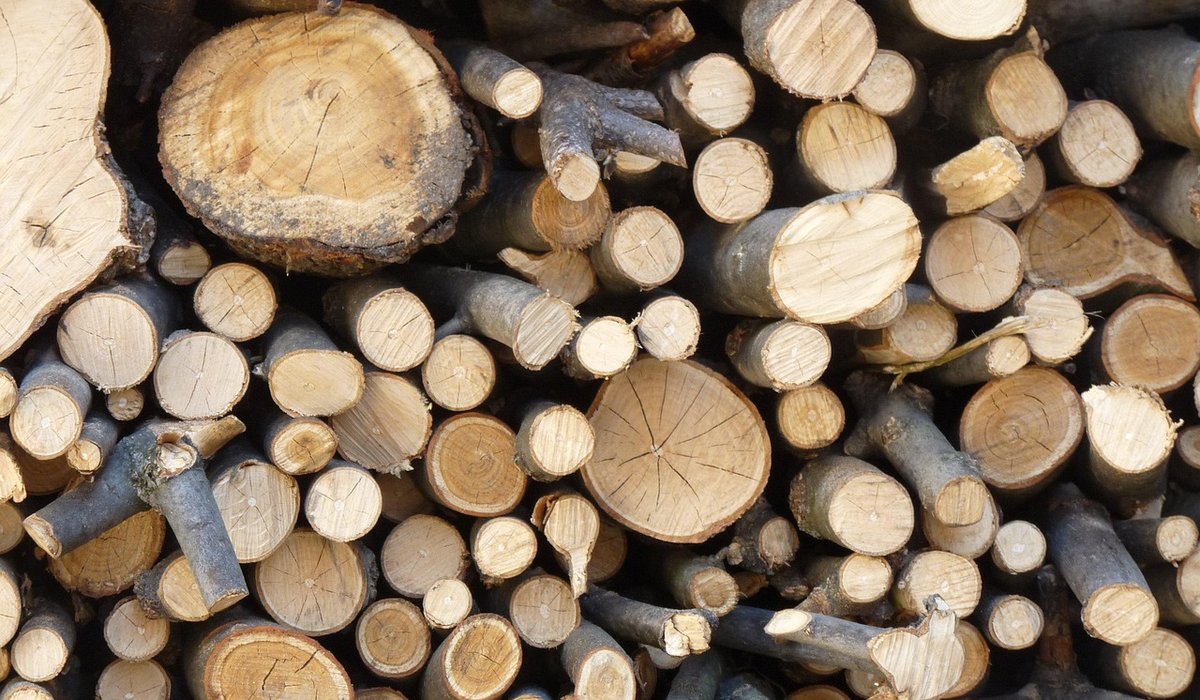
- Kindling. Dead twigs no thicker than a pencil, snapped from standing deadwood or taken from the ground. Hazel, ash, and birch are all reliable.
- Fuel. Finger-thick branches, then wrist-thick ones. Never pull living wood from a tree.
Lay a small nest of tinder, build a lean-to of kindling around it, and strike a spark from flint and steel or a modern fire steel. Cup your hands, blow gently, and feed the flame a twig at a time. If it goes out, do not panic — relaying the fire is part of the practice. Generations of British children learned the same lesson beside a campfire: patience beats force every time.
Cooking the First Greens on Embers
Once the fire has burned down, you want glowing embers, not leaping flames. Rake them flat with a stick and set a heavy pan or a folded foil parcel on top.
- Nettle and wild garlic soup. Soften a handful of blanched nettles with wild garlic and a knob of butter, add stock or water, simmer briefly, and eat with bread.
- Flatbreads. A simple dough of flour, salt, and water, rolled thin and cooked directly on a hot stone at the edge of the fire.
- Eggs in the ash. Bury eggs just under the embers for ten minutes, then fish them out. The shells blacken; the insides are perfect.
Keep a small pot of water warming nearby. Cooking over a fire is slower than a hob, and the waiting is part of the pleasure.
Tales for the Firelit Hour
British folklore is full of fireside instruction. Do not whistle after dark, lest you call something you did not mean to; keep the fire tidy when you leave; and never let a stranger sit at the fire without a story to offer.
Spring has its own tales. The Green Man, the wild spirit of the hedge and wood, is said to wake with the first leaves. Herne the Hunter rides in the oak woods, and the Cailleach, the old winter hag, is said to throw her hammer into the roots of a tree on the first of February, letting the ground soften for spring.
Tell these stories in the last of the light, with the embers settling and the greens eaten. Then douse the fire with water, scatter the ashes, and carry your stories home. That is the whole tradition: gather, cook, listen, and leave the wood as you found it.
LEAVE A COMMENT