
How to Bake Flatbreads on a Campfire Griddle
Why the Fire Makes a Better Host
A formal dinner party asks you to be a waiter. A fireside supper asks you to be a person. The moment the fire is lit, everyone stops standing in a polite semicircle and starts pulling logs, passing plates and arguing over whose sausage has fallen in the ash. That is the whole point of it. Smoke in your hair, wool blanket round your shoulders, mug of something hot in one hand — it beats a starched napkin every time.
Keep the guest list small. Six is ideal, eight is the absolute limit. Beyond that you are running a catering operation rather than a supper, and whoever ends up at the far side of the circle will spend the evening shouting.
A Menu That Cooks Itself (Almost)
Build the menu around embers, not flames. Flames blacken; embers cook. Light the fire a good hour before you plan to eat, and let it settle down into a bed of glowing, ash-dusted coals.
- To start: a pot of mussels or a simple soup kept warm at the edge of the fire, with slices of buttered soda bread.
- The main: one big pot of stew, chilli or a root-vegetable casserole, cooked at home and reheated in a cast-iron pot on a trivet over the coals. Alongside it, foil-wrapped potatoes buried in the embers for forty minutes or so.
- On sticks: good sausages, halloumi cubes, chunks of pepper and mushroom. Give everyone their own long-handled fork — the cheap telescopic ones bend, so borrow sturdy ones if you can.
- Bread: a simple bannock dough, wrapped round a clean stick and turned above the coals until it is golden and sounds hollow.
- Afters: apples cored, stuffed with raisins and brown sugar, wrapped in foil and left in the embers; or marshmallows, which need no instructions.
Prepare indoors everything that can be prepared indoors. Chop, marinate, portion, and decant into labelled containers. Your future self, crouching in the dark with a headtorch, will thank you for it.
Setting the Circle: Blankets, Seats and Light
Arrange the seating in a ring, not a line. A ring keeps the conversation moving and lets everyone reach the fire. Hay bales, low benches, upturned crates or simply a waterproof groundsheet with cushions will do; what matters is that nobody has to stand.
- Blankets: wool or heavy cotton, never the fluffy synthetic kind — it melts at the first spark. One per person, plus two spares.
- Layers: tell guests plainly to bring a coat, a hat and boots. Tea tastes better when nobody is shivering.
- Light: lanterns and jam-jar candles rather than a bright white floodlight. You want faces lit by the fire and everything beyond the circle comfortably dark.
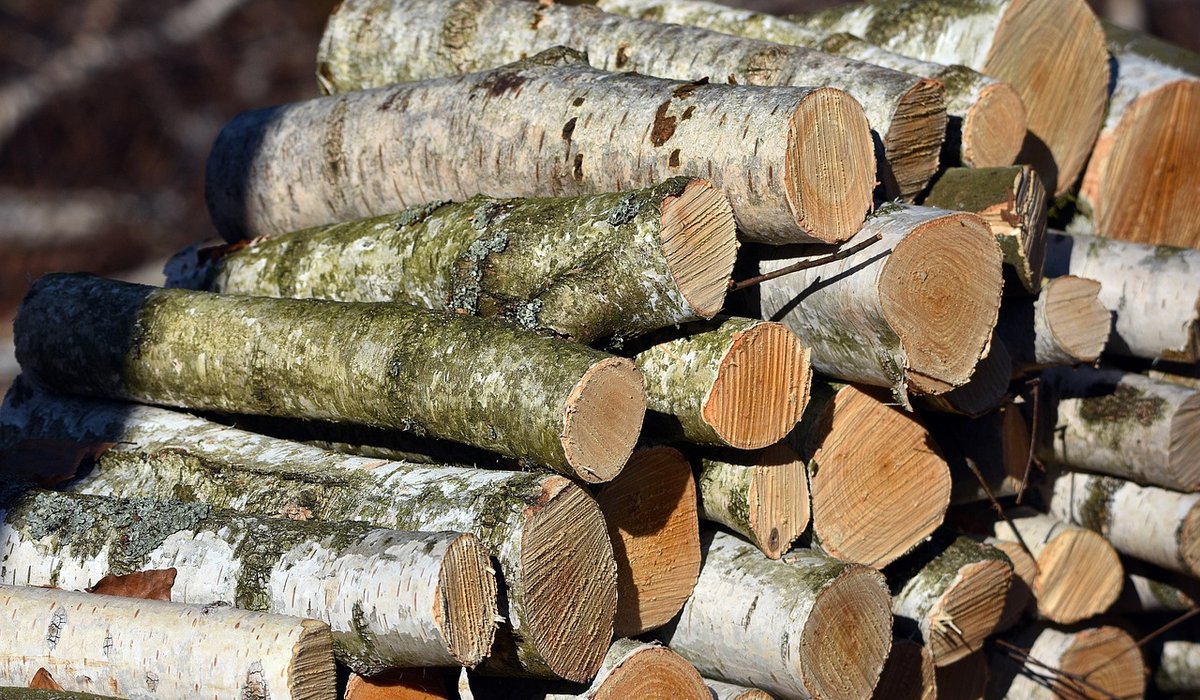
- Firewood: keep a decent pile of dry, seasoned hardwood within reach, so you can feed the fire without breaking off mid-sentence.
Put Your Guests to Work
Hand people jobs. Someone tends the fire, someone turns the potatoes, someone grills the bread, someone keeps the drinks coming. Shared work dissolves the awkwardness of a new group and gives quieter guests a reason to be there that is not small talk.
Do keep a table set away from the fire for raw meat, and a bottle of hand sanitiser at the edge of the circle. Heatproof gloves, a pair of tongs and a bucket of water within arm's reach of the flames are not optional extras.
Tales for the Embers
Here is the old bit. Long before television, the hearth was where stories were told, and the British Isles are thick with them. When the plates are cleared and the fire has burned down to a low glow, that is the moment.
Ask each guest to bring one short tale — a local legend, a family story, something their grandmother swore was true. Then tell one properly yourself. The Lambton Worm, the great serpent of County Durham, works beautifully outdoors. So does Tam Lin, with its fairy host and the girl who refuses to let go. In the West Country, tell of the brownie, the small helpful creature who tidies the hearth overnight and leaves for good if you thank him or leave him clothes. In the Fens and the marshes, the old stories warn of the hob-lantern, the flickering light over boggy ground that leads travellers astray — a useful thing to mention when somebody's torch battery dies.
There is an old custom worth borrowing: never let the fire go out entirely, and leave a small offering — a spoonful of cream, a crust of bread — for whatever keeps the hearth. It costs nothing and lends the evening a sense of ceremony.
Practical Notes Before You Strike a Match
- Check whether fires are permitted where you are, and never light one in a drought or a stiff wind.
- Use dry, seasoned wood. Wet or green wood smokes, spits and refuses to burn.
- Site the fire well away from hedges, tents, fences and overhanging branches.
- Never use petrol or meths, and avoid firelighters that reek of paraffin when food is cooking.
- Keep a bucket of water and a bucket of sand or earth nearby, and put the fire out properly before bed — soak it, stir it, soak it again.
- Take cold ash home with you, or scatter it well away from the site.
Then sit back down, pull the blanket tighter and let the conversation go where it wants to. Nobody will remember whether the potatoes were perfectly done. They will remember the dark, the smoke, and the sound of someone telling a story badly and loving every minute of it.
LEAVE A COMMENT