
One-Pot Campfire Stew with Root Vegetables
Why a Community Bonfire Beats a Private One
There is something quietly magical about a fire lit with neighbours. It is one of the oldest forms of British social life: the shared blaze, the circle of faces, the smell of woodsmoke in a jumper that lingers for days. A community bonfire spreads the work, the cost and the watching, and it gives children a chance to learn fire craft with adults they trust nearby. The key is planning. A good bonfire is ninety per cent preparation and ten per cent flames, and the preparation is what keeps everyone safe, welcome and willing to come back next year.
Choosing the Site and Checking the Rules
Start by finding a site with clear skies above and a wide, flat, bare patch of ground. Look for somewhere at least fifteen metres from buildings, sheds, fences, hedges, parked cars and overhead cables. Check for tree roots and low branches; sparks rise and drift, so overhanging foliage is a genuine hazard on a dry autumn evening.
Before you invite a single soul, speak to the people who own or manage the land, whether that is the parish council, the local authority, the National Trust or a private farmer. Ask about byelaws on open fires, and check whether your area sits inside a smoke control zone, which restricts what you may burn. In most of the UK you do not need a licence for a small private bonfire, but you may need permission for a public gathering, and some councils ask for notice of events with amplified sound or large numbers of people. Fireworks bring their own rules and licensing, so decide early if you want them at all. A bonfire with no fireworks is often the gentler, more neighbourly choice.
Tell the local fire station and the non-emergency police line what you are planning and when. They would far rather hear about it in advance than receive worried calls on the night.
Gathering Wood and Building the Fire
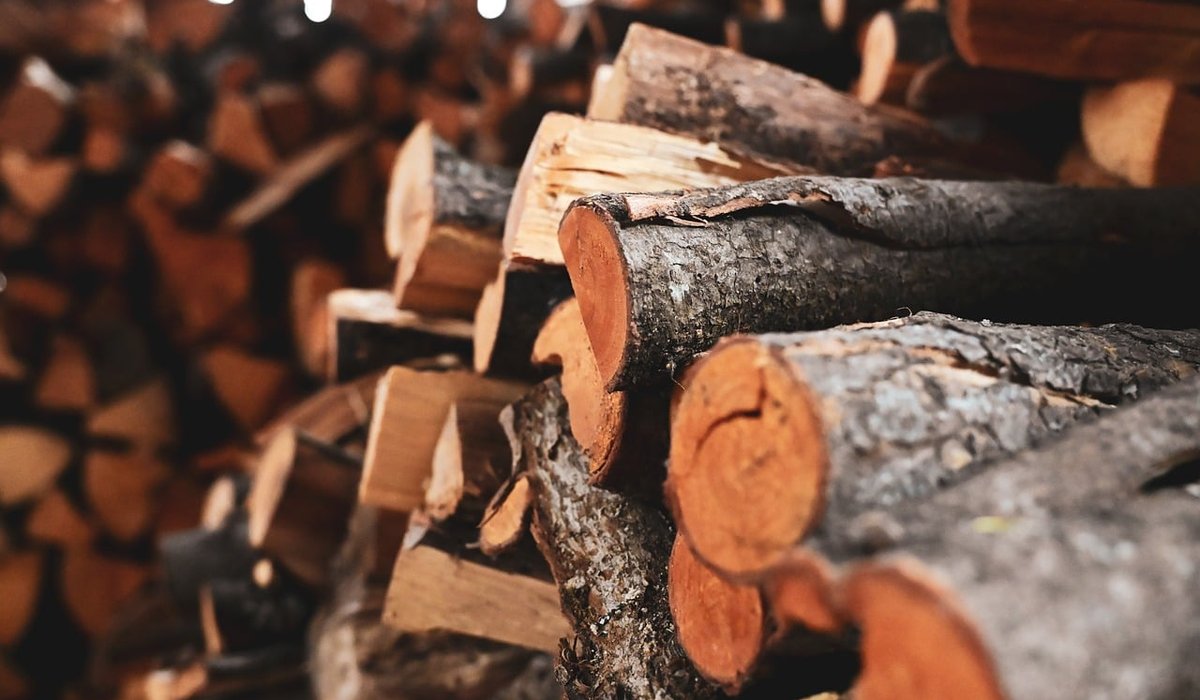
Only clean, dry, untreated wood belongs on a community fire. That means seasoned logs, offcuts of natural timber and kindling. Never burn painted or varnished wood, chipboard, MDF, pallets that have been chemically treated, plastics, rubber, foam or anything you are unsure about. These release toxic fumes that drift into homes and lungs.
Divide the wood into three piles so the fire is easy to manage:
- Kindling — dry twigs, thin sticks and paper twists for starting.
- Main fuel — split logs no thicker than your forearm, stacked loosely.
- Slow burners — larger logs for the long, glowing hours after dark.
Build a small pyramid or a criss-cross stack with plenty of air gaps, and light it from the base. If you have children helping, give them the job of collecting fallen sticks and sorting the piles rather than anything involving matches. Keep a bucket of water and a shovel beside the fire from the first spark onward.
Sharing the Jobs
A bonfire runs smoothly when everyone owns a small piece of it. Write the jobs on a sheet at the gate and let people sign up.
- Wood gathering — a team to collect and sort fuel in the days beforehand.
- Fire watching — two adults per shift, always sober, keeping an eye on the flames and the circle around them.
- Food and drink — neighbours bring a dish, a flask or a bag of apples to bake.
- First aid — one person with a stocked kit and a charged phone.
- Clearing up — a rota for the morning after, when the ash is cold.
Ask people to bring their own mug and a folding chair. It sounds small, but it cuts waste and makes the evening feel like a shared camp rather than an event someone is running.
Outdoor Storytelling and British Folklore
Once the flames settle into embers, the storytelling begins. British folklore is full of fire and night: the will-o'-the-wisp luring travellers across marshy ground, the green man peering from carved beams, the tale of Tam Lin and his ride at Halloween, and the old custom of Souling and All Hallows when households lit fires to guide and protect. In Wales, the Nos Galan and Mari Lwyd traditions mark midwinter with song and mischief; in Scotland, Hogmanay fires and first-footing welcome the new year.
Encourage each household to bring one short tale, poem or memory. Keep it under five minutes, no gory detail for the little ones, and let the youngest go first while they are still awake. A story told by firelight, with the wood crackling underneath, does more for a community than any amount of small talk.
Safety, Weather and Leaving No Trace
Check the forecast and, crucially, the fire danger rating for your area. If it has been dry for a fortnight and there is a breeze, postpone. Keep a clear exit path, never leave the fire unattended, and never use accelerants such as petrol or paraffin. Douse the embers with water, stir the ash with a shovel, then douse again until everything is cold to the touch. Ash can stay hot for days.
Take home everything you brought, including food waste and bottles. Return the ground as you found it, thank the landowner, and send a note round the next day to say what worked. Do that, and next autumn the whole street will be asking when the fire is.
LEAVE A COMMENT