
Cornish Legends of Fire and Sea
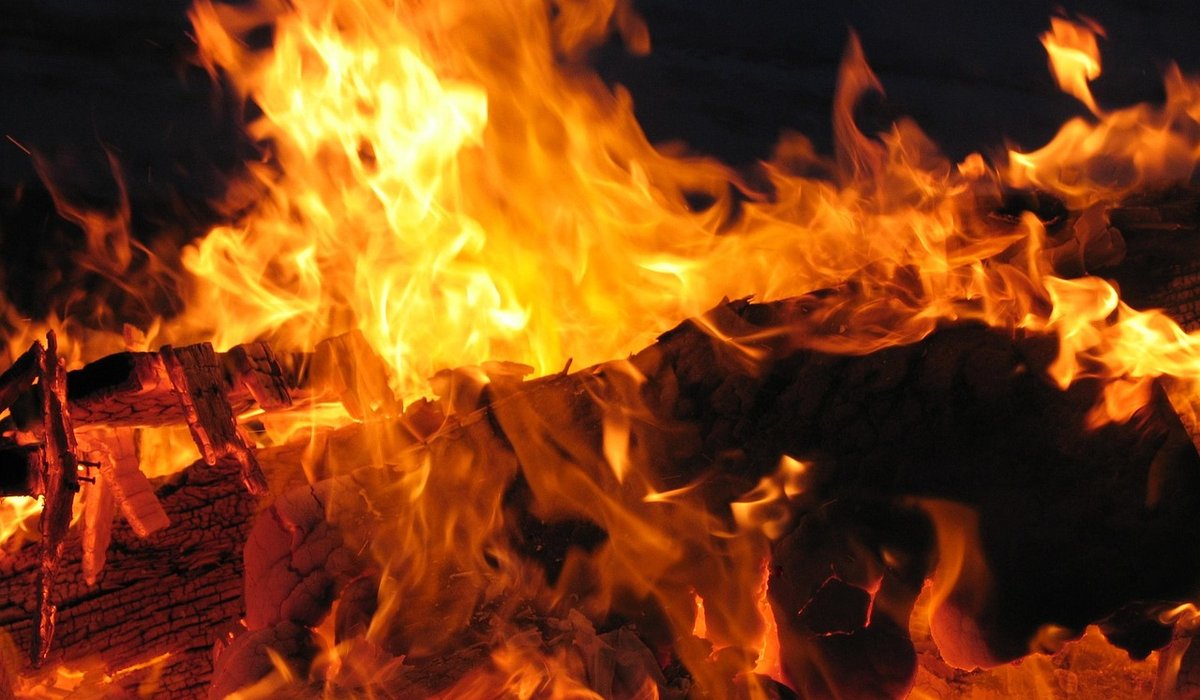
Why the Dousing Matters as Much as the Kindling
There is a particular magic to a fire outdoors. But the mark of a true woodsman is not in the lighting but in the leaving. A fire that is not properly extinguished can smoulder underground for hours, or even days, and then flare up in a breeze. Leave no trace is not just a slogan; it is a promise.
In Britain, where we have a long love affair with the hearth and the campfire, folklore warns of leaving things half-done. The brownie will abandon a slovenly household. So too with your pitch. The fire must be dead out, cold to the touch, before you walk away.
Let the Fire Burn Down to Ash
The first step is patience. Resist the urge to throw on another log. Let the fire burn down naturally. You want white ash and small charred pieces, not black logs. This can take an hour or more. Use the time for storytelling.
If you are cooking, plan the meal so the fire naturally reduces. Baked potatoes or a bannock cooked in the embers are ideal. Once the food is done, stop feeding. Spread the coals with a stick to help them burn down. Do not bury the fire in soil - that insulates and keeps embers alive for hours. Do not leave it to burn out alone.
Drown, Stir, and Drown Again
When the fire is down to ash and glowing coals, it is time to drown it. Carry water in a container - a foldable bucket or a large pan. Pour slowly, not all at once. You will hear a hiss. Use a stick or spade to stir the ashes and water into a slurry. Break up any lumps. Clumps of ash can hide hot spots.
Add more water. Stir again. Repeat until there is no steam and no hiss. The ash should be a cold, wet paste. Remember: drowning is not a single act but a process. A common mistake is to pour water on the top and think the job is done. The heat is underneath.
- Use plenty of water. A litre per small fire is a good starting point; more for larger fires.
- Stir thoroughly. Scrape the edges and the base of the fire pit.
- Check for hidden embers. Roots and peat can smoulder underground in dry weather.
The Hand Test and the Scatter
Now the crucial test. Hold the back of your hand close to the ashes. If you feel any warmth at all, it is not out. Add water and stir again. Only when it is completely cold should you proceed. This is the hand test, and it is non-negotiable.
Once cold, scatter the ashes. Do not leave a pile. Spread them widely over the ground, away from the fire site, so they break down and disappear. If you used a fire pit or a ring of stones, dismantle it. Scatter the stones into the undergrowth. Replace any turf you lifted. The aim is that the next person to pass would never know a fire had been there.
If you are in a wild camping spot, consider taking the cold ashes home if the area is fragile. But usually, scattering is fine. Just ensure they are cold and spread thin.
Stories by the Embers: Folklore and the Leave-No-Trace Ethos
British folklore is full of warnings about fire and the wild. The trows of Shetland were said to be drawn to untended fires. The brownies of the Borders would help a tidy household but leave if offended. And the Green Man, that ancient spirit of vegetation, is said to watch over those who respect the woodland.
As you sit by your fire, telling tales of Herne the Hunter or the Lambton Worm, remember that the stories themselves are a kind of fire - they need care to pass on. A good storyteller knows when to let the tale end and the embers die. The same goes for the fire itself. Leaving a fire smouldering is like leaving a story unfinished in a way that harms the listener. Extinguish it properly, and you honour the tradition.
Fireside Cooking and the Clean Getaway
Fireside cooking is one of the great joys. Sausages on a stick, a pot of stew, apples stuffed with raisins and baked in foil. But the cooking fire needs a plan for its end. If you are cooking, use a contained fire, a small pit or a portable stove, and keep the fuel small. Hardwoods like oak and ash burn down to fine ash. Softwoods spit and leave more char.
After you eat, let the fire burn down while you wash up and pack. Then drown, stir, and test. Scatter the ashes. Wipe down any pots. Take all rubbish home. Leave the site as you found it, or better.
The final act of a campfire is not a chore. It is a ritual. It says: I was here, I enjoyed the warmth and the stories, and I leave no trace. That is the mark of a true firekeeper. So next time you sit by the flames, with a mug of tea and a tale of the old ways, remember the last step. Drown, stir, test, scatter. Then walk away, leaving only footprints - and perhaps a story to tell.
LEAVE A COMMENT