
How to Tell Ghost Stories Around a Campfire
The Hearth Is Still the Best Storyteller
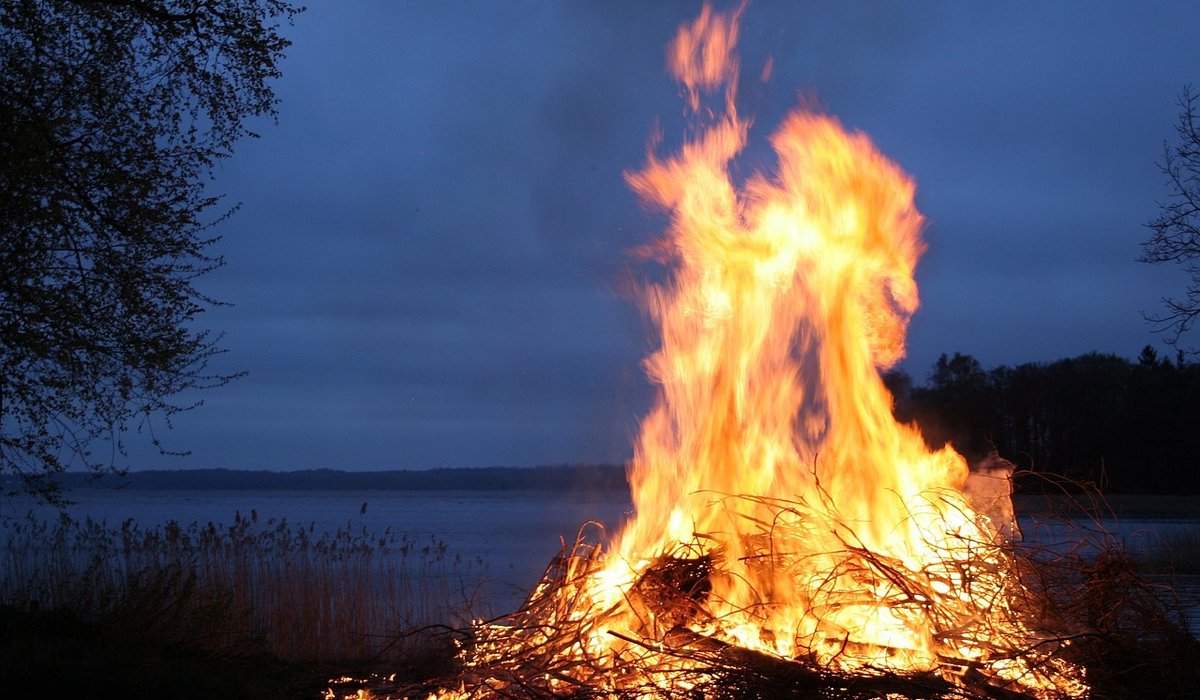
There is a reason almost every British folktale begins with someone sat by a fire. Long before books were cheap and houses were warm, the winter hearth was the village's television, radio and newspaper rolled into one. The fire gave you light, heat, a place to cook, and a reason to sit still while someone else talked. In a room lit only by burning logs, a storyteller's face flickers in and out of view, and it is strangely easy to believe in a fox who wears a coat and a moor that keeps a dog.
You can rebuild that tonight. All you need is a fire, something to eat, and three or four good stories that have been keeping people warm in Britain for at least four hundred years.
Feed the Fire Before You Feed the Story
Sort the food first, because nobody listens well when they are hungry and cold. A winter fire is excellent for slow, hands-free cooking: food that sits there quietly while you talk.
- Jacket potatoes. Rub with oil and salt, double-wrap in foil, and bury them in the embers at the edge of the fire — not in the middle of the flames. Thirty-five to fifty minutes, depending on size. Turn them once with long tongs.
- Bannock. A simple dough of self-raising flour, a pinch of salt, a chunk of butter and enough water to bring it together. Wrap a sausage of it around a clean green stick or press it flat in a heavy pan. It is done when it sounds hollow.
- One-pot stew. Hang a cast-iron pot from a tripod or a stout forked stick over the embers. Root vegetables, barley, stock, and time. Add lentils if you want it meat-free.
- Baked apples and chestnuts. Score the apples, fill with raisins and brown sugar, wrap in foil, and put them in the embers. Slit chestnuts before roasting them or they will pop.
- Mulled cider or hot chocolate. Keep it off the flames so it warms rather than boils.
A few fire-craft notes. Seasoned hardwood — ash, oak, beech, hazel — burns hot with long-lasting embers and gives off little smoke, which matters when you are cooking over it. Green wood and softwood spit resin and taint the food. Never cut sticks from yew, laburnum or rhododendron, and gather only from the ground where you have permission. Check the landowner's rules about fires first, and never light one on peat, dry moorland or heath — a fire that escapes on a windy winter moor can travel faster than you can run.
Three Stories Worth Carrying in Your Head
You do not need to memorise a script. Learn the shape of the tale, then tell it in your own words. Folktales improve when they are a little bit wobbly and personal.
The Fox. The old English tale of Mr Fox belongs by a fire, precisely because it is unsettling. A young woman is courted by a rich gentleman who lives across the water. She grows curious, then suspicious, and with her brothers' help she follows him home. What she finds behind the door of his fine house is a room lined with the rings and bones of previous sweethearts, and a warning painted on the wall: "Be bold, be bold — but not too bold." Tell it slowly. Let the last line sit. Then let somebody put another log on.
The Moor. Every stretch of bog and heather in Britain seems to have a dog in it. Black Shuck of East Anglia, with eyes like saucers. The Barguest of Yorkshire. The great ghost hound said to haunt a certain Devon moor. These are the stories that make a landscape feel inhabited, and they are told best when you are actually out in it — cold air on your face, torch off, real darkness pressing in behind you.
The Hidden Folk. The fair folk, the People of Peace, the brownies and hobs and piskies and trows. In the old stories they are not sweet and they are not safe. Brownies will do your work by night if you leave them a bowl of cream, but they take offence at gifts, at thanks, and at being spied upon. Say the wrong thing and the work stops for good. This is a story about manners, really, and it works beautifully around a fire because everyone understands the rule: leave the cream out, keep your eyes down, and never say thank you.
How to Tell It So That People Stay
- Sit in a circle, not a row. Everyone should be able to see each other's faces as well as the flames.
- Keep hands busy. Toasting, whittling, holding a mug — small occupations stop fidgeting and let people listen.
- Use the fire as your clock. Whenever it flares or sinks, that is your cue to pause. A pause is worth more than a shout.
- One story per fire. Two good tales told properly beat five rattled off. End on something calm rather than a fresh scare, especially with children.
- Let the dark do its work. Resist the head torch. The less you show, the more they will see.
Where the Tales Still Sit in the Land
What makes these stories worth passing on is that you can point at where they live. Go for a walk in winter and read the landscape as a storybook: the holloway worn down by centuries of feet, the clapper bridge where a piskie might linger, the old boundary ditch, the ruined cottage with a holm oak beside it. Place names carry the traces too — plenty of British fields, woods and wells are named for boggarts, hobs, dragons and the devil himself.
So cook something in the embers, watch the light fade, and tell a story that someone in the same spot told four hundred winters ago. The fire has not changed. The landscape has not changed much either. The story, passed hand to hand like a plate of hot bannock, is yours to keep alive.
LEAVE A COMMENT