
Using Pacing and Silence in Fireside Tales
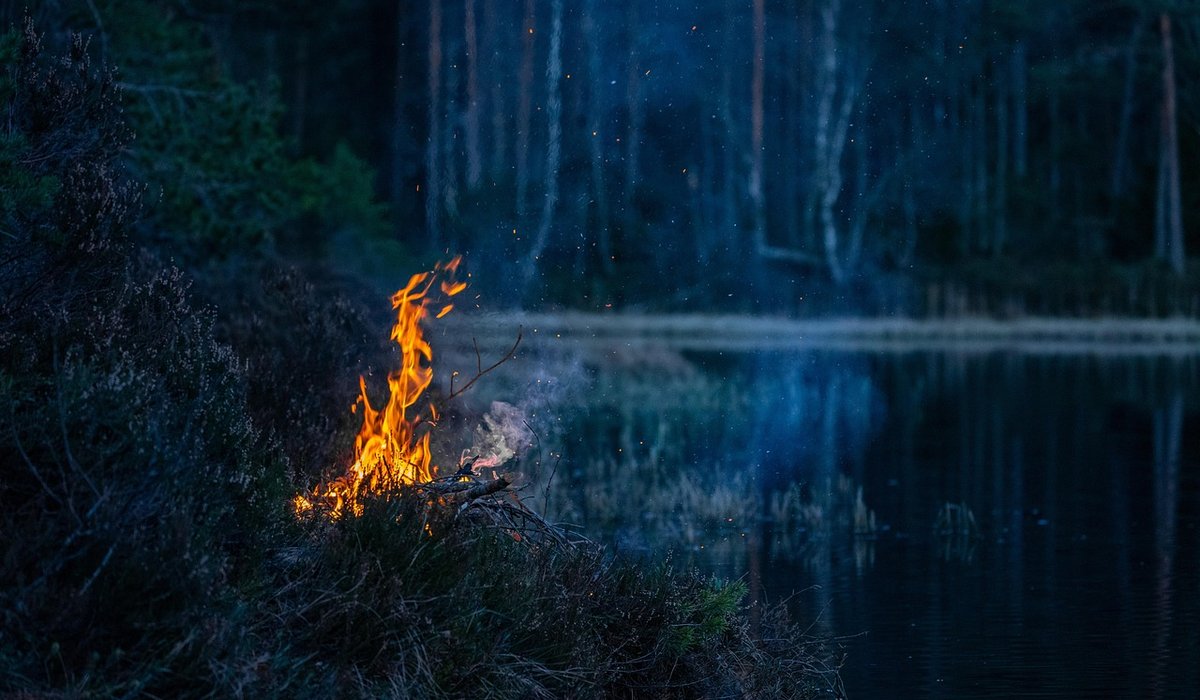
There is a particular magic to a winter's evening in an old English cottage: the smell of woodsmoke, a pot of stew bubbling over the fire, and a circle of faces lit by flame. Long before central heating, the hearth was not just a place to cook—it was the beating heart of the household. And in English folklore, that heart was never quite empty. Our ancestors believed a watchful presence lingered among the embers, a spirit that could bless a kind family or make life miserable for a neglectful one.
The Brownie: The Hearth's Unseen Helper
The best-known household spirit is the brownie. Unlike creatures that lurked in forests, brownies attached themselves to a specific home. They were small, shaggy, and usually invisible. A brownie would rise after the family had gone to bed and quietly finish the chores: churning butter, baking bread, sweeping the hearth, and tending the fire. In return, they asked for nothing more than a bowl of cream or a bit of cake left on the hearthstone.
But there were rules. A brownie hated to be thanked directly—it was seen as an insult that would drive them away. They also refused to accept clothes. In one famous Yorkshire tale, the Cauld Lad of Hylton was given a green cloak and hood; he sang a mournful rhyme and vanished. If you wanted to keep a brownie, you left your gift in silence and never mentioned it.
Hobs, Boggarts, and Other Hearth Spirits
The brownie had many cousins. In northern England, a hob was a similar creature, often attached to a farmhouse or mill. Hobs were generally helpful but could be mischievous if crossed. A boggart, common in Lancashire and Yorkshire, was more unpredictable. Some were merely troublesome—hiding tools, spilling milk, or making the fire smoke—whilst others were dangerous if their temper was roused.
Then there were hearth ghosts proper: the spirits of ancestors who lingered by the fire. Many families believed a grandmother or grandfather might return to warm themselves on cold nights, and a sudden spark was a sign they were near. To keep these ghosts peaceful, you kept the hearth clean and the home free of quarrels.
Rewards for Kindness, Punishment for Neglect
The moral logic of these stories was simple. A clean hearth and a generous heart brought good fortune: cows gave more milk, bread rose higher, and the family slept soundly. But neglect had consequences.
- Dirty hearths invited pinches, nightmares, and spilled ale.
- Stingy offerings led to sour milk and tangled thread.
- Mockery or ingratitude could turn a helpful brownie into a boggart, haunting the house for years.
In one tale, a farmer's wife left out a thin, sour bowl of cream. By morning, every jug in the dairy had curdled. Another story tells of a maid who laughed at the brownie's rags; that night, the fire went out three times, and the bread refused to rise. The message was clear: the hearth spirit watched how you treated your home.
Fireside Storytelling: Bringing the Tales to Life
These stories were meant to be told aloud, by firelight, with the wind rattling the windows. To bring that magic into your home, try these simple methods.
- Gather close to the fire—or a candle. Dim the lights and let the flames do the work.
- Use your voice. Slow down. Pause before a reveal. Whisper when the brownie appears, and speak sharply when the boggart lashes out.
- Add sensory details: the smell of burning peat, the creak of a floorboard, the taste of cream left out overnight.
- Involve your listeners. Ask what they would leave for the brownie. Let them decide if the farmer's wife deserved her sour milk.
Children love the chance to be a little frightened—safe in the knowledge that the fire is warm and the door is locked. And there is no better way to teach kindness than through a tale of a spirit who rewards it.
Keeping the Hearth Spirit Content Today
You need not believe in brownies to enjoy the tradition. The old customs remind us to treat our homes—and the people in them—with care.
- Leave a small offering on the mantelpiece: a pinch of salt, a biscuit, or a spoonful of honey. Replace it weekly, and never thank anyone for taking it.
- Keep the hearth clean. Sweep the ashes, polish the grate, and lay a fresh fire before bed. A tidy hearth pleases both brownies and ghosts.
- Tell a story once a week. It could be a traditional tale or one you make up. Gathering and sharing keeps the old warmth alive.
- Honour the unseen. When a coal falls or a flame leaps, say quietly, "That's the hearth spirit." It costs nothing and adds wonder to everyday life.
In the end, the spirits of the old English hearth were not really about magic. They were about attention. They punished neglect and rewarded kindness because that is what any good household needs. So this winter, as you cook over a fire, remember the brownie in the corner. Leave a little cream, tell a good story, and keep the home fires burning.
LEAVE A COMMENT