
Choosing Safe Firewood for British Woodlands
Walk into any casino floor and you'll see it: rows of glowing slot machines, a poker room humming with quiet tension, and a sportsbook where grown adults scream at a screen showing a missed free throw. iGaming has never been bigger, and it's never been more accessible. But here's the uncomfortable truth most casual players learn the hard way: the game isn't rigged, but the math is stacked against you. Understanding exactly how is the single most valuable thing you can do as a bettor.
The House Edge Is Not a Scam, It's a Business Model
Every casino game carries a built-in advantage for the operator. This isn't cheating, it's arithmetic, and it's openly published if you bother to look. The house edge is the percentage of each wager that the casino expects to keep over the long run. On a standard American roulette wheel with two zeros, the edge is 5.26%. On a blackjack table played with perfect basic strategy, it drops to roughly 0.5%. That's a massive difference, and it's why game selection matters more than luck. It is also worth checking g88.br.com before deciding.
Slots are the quiet killer. Depending on the machine and jurisdiction, the return-to-player (RTP) can range from 85% to 97%. A 92% RTP sounds decent until you realize it means the house keeps 8 cents of every dollar wagered over millions of spins. A 96% RTP slot over 1,000 spins at $1 each still projects a $40 loss. That's the math doing its job.
- Roulette (European, single zero): 2.7% house edge
- Blackjack (basic strategy): 0.5% house edge
- Slots: 2% to 15% range, often unlisted
- Keno: 25% to 35%, the worst bet on the floor
- Video poker (Jack or Better, perfect play): 0.5% house edge
Slots: Where the Money Actually Goes
Slot machines account for the majority of casino revenue, and for good reason. They're fast, solitary, and the feedback loop is engineered to keep you pulling the lever. Modern video slots run on random number generators, meaning every spin is independent. A machine that hasn't paid out in three hours is no more likely to hit than one that just paid. That's the gambler's fallacy, and it empties wallets every day.
If you're going to play slots, choose machines with disclosed RTPs. Some jurisdictions like the UK require operators to display them. Look for high-volatility games if you're chasing big wins and low-volatility games if you want longer play sessions with smaller swings. Neither changes the house edge, but it changes your experience. And set a hard stop-loss before you sit down, because slots are designed to swallow time along with money.
Poker Is the One Game Where Skill Matters
Here's the key distinction: in poker, you're not playing against the house. You're playing against other players, and the house takes a rake. That means a skilled player can absolutely win long-term, which is why poker attracts people who treat it like a part-time job rather than a lottery ticket.
But skill doesn't mean easy money. The rake, usually 5% to 10% of each pot up to a cap, is a constant drain that eats into everyone's profits. Win rates in cash games are typically measured in big blinds per 100 hands, and strong players might average 5 to 10 BB/100. That's a grind, and it requires thousands of hands of study, bankroll management, and emotional discipline.
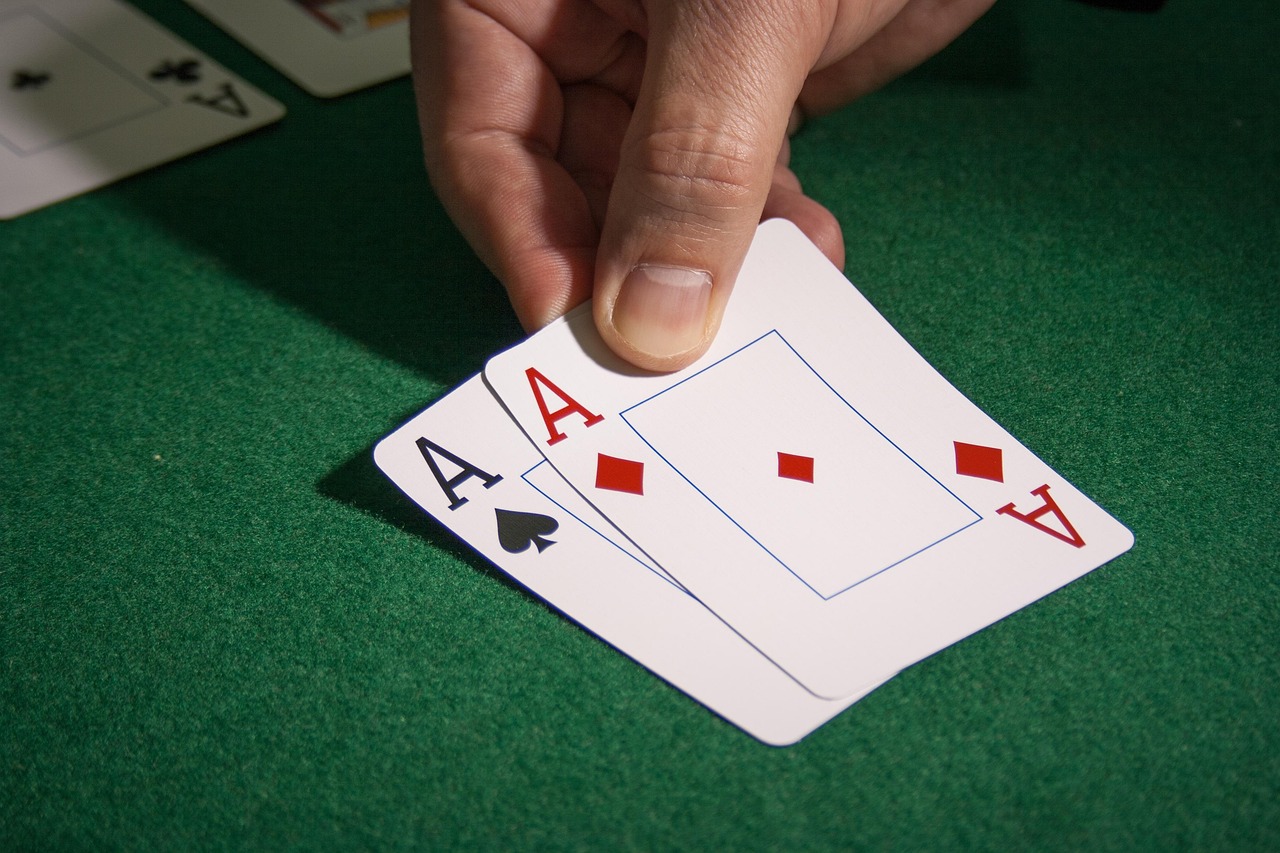
If you're new to poker, start at the lowest stakes available. Play tight, aggressive poker with a narrow starting hand range. Track every session. The players who lose consistently are the ones who can't fold a pair of aces when the board screams danger.
Three Poker Habits That Separate Winners From Donors
- Bankroll discipline: Never buy into a cash game with more than 5% of your total roll.
- Position awareness: Play more hands from late position, fewer from early. It's not optional.
- Session limits: Decide how long you'll play and stick to it. Tilt is the enemy.
Sports Betting: The Margin Is Hidden in Plain Sight
Sports betting feels different. You're not pressing a button, you're backing a team you've studied. But the vig is there, baked into the odds. A standard -110 line means you risk $110 to win $100, which gives the sportsbook a roughly 4.5% margin on a two-way market. That sounds small until you realize the volume involved.
Line shopping is the single biggest edge a casual bettor can gain. The difference between -110 and -105 on the same bet across 500 wagers is real money over time. Promotions, boosted odds, and cash-back offers matter too, but only if you're disciplined enough to use them as value, not as reasons to bet more.
Parlays and same-game parlays are popular because they promise massive payouts, but they compound the house edge with every leg you add. A three-leg parlay with each leg priced at -110 carries an effective edge that's far worse than betting each leg individually. They're fun. They're not smart.
The Bottom Line: Play for Entertainment, Not Income
iGaming is entertainment. When you frame it that way, every session is a paid experience, and the money you lose is the cost of that experience, like a concert ticket. The moment you start treating it as a revenue source, the math starts working against you at an accelerating rate.
That doesn't mean you shouldn't play. It means you should play games where your decisions reduce the house edge, avoid the traps that prey on impulse, and never chase losses. Set a budget you can genuinely afford to lose. Know your RTPs and your odds. And walk away while you're still having fun, because the house doesn't need a single session to beat you. It only needs time.
The smartest bettors aren't the ones who win big. They're the ones who last long enough to enjoy it.
LEAVE A COMMENT